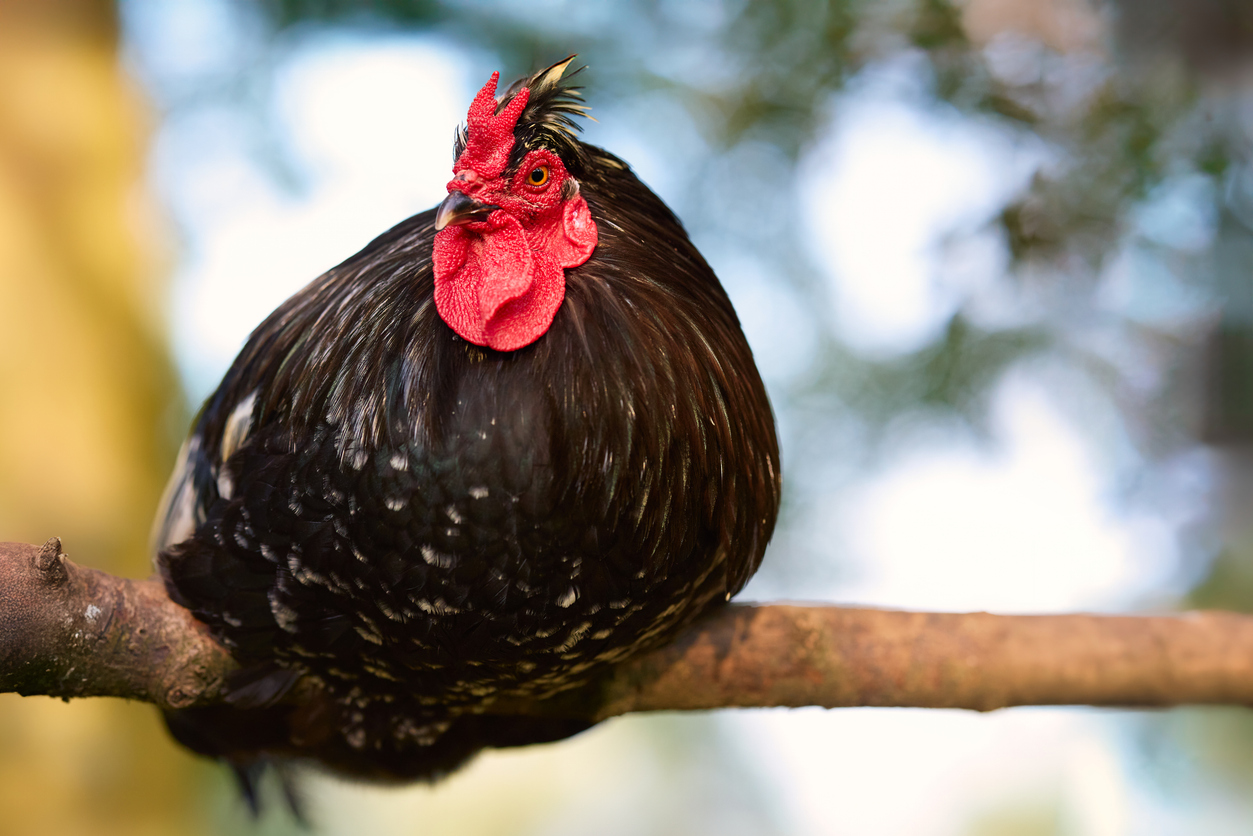

Last summer, when we built our new chicken coop, I changed something I had been doing for years. I switched all of my chickens' roosting bars to 2x4s laid flat. Why? Because I had read the same advice you've probably seen if you keep chickens somewhere cold: use a wide, flat 2x4 so your chickens can sit on their feet and cover their toes with their feathers during the winter. I live in Wisconsin. Our winters are no joke. So this made perfect sense to me. Except I overlooked one fairly important detail.
My chickens had already made it through six Wisconsin winters on smaller roosting bars without a single case of frostbite on their toes. I was trying to solve a problem I didn't actually have. And then something else started happening. Suddenly, I was dealing with bumblefoot. In almost six years of keeping chickens, I had never dealt with bumblefoot. Then one hen developed it. Then another. And another.

Eventually, I had six chickens with bumblefoot and several more showing early changes to their footpads. After the fifth case, I inspected every roost and found a screw sticking out of one of the roosting bars in my run. Aha! I thought I had found my culprit. I removed it and assumed that would be the end of it. But it wasn’t. More foot problems showed up.
And that's when I started wondering whether something else had changed. The obvious thing staring me in the face was their roosts. So, naturally, I went down a research rabbit hole. And it got deep. Bumblefoot isn't just caused by cuts and scrapes.
This was probably the most important thing I learned. I had always thought about bumblefoot as something that started with a cut, scrape or puncture to the bottom of the foot that allowed bacteria to enter. That absolutely can happen. But veterinary literature also describes pressure necrosis as a form of trauma that can contribute to bumblefoot and specifically lists poor perch design as one of the potential contributing factors.
In other words, you don't necessarily need a nail or obvious wound to start damaging the footpad. Repeated pressure on an area of the foot can damage tissue too. That immediately got my attention. But it also created another question: What exactly is a poorly designed chicken perch?
And this is where I expected science to hand me a nice little answer. Something like: Use a wooden roost exactly X inches wide with this exact shape. Spoiler alert: it did not.
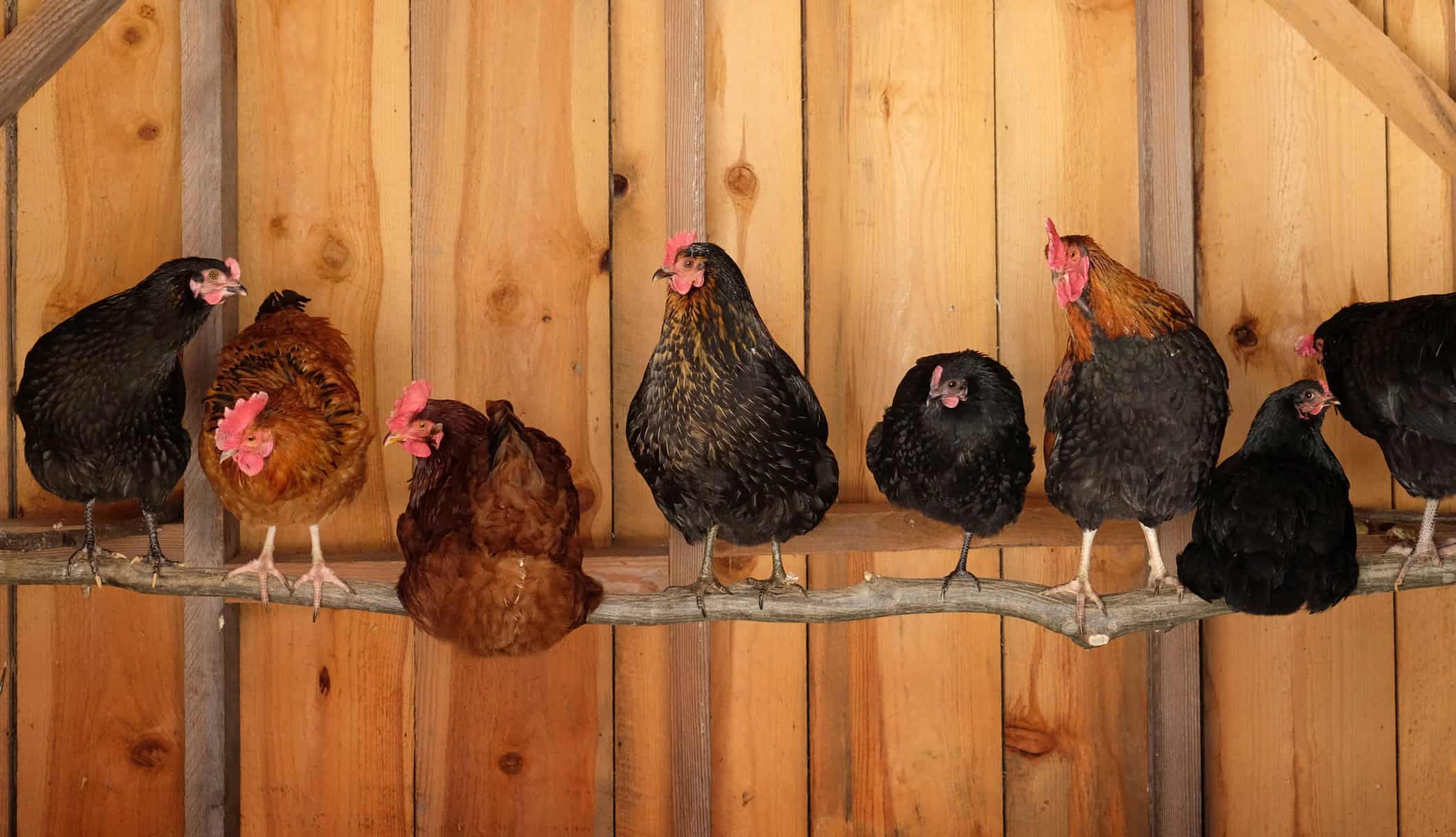
There Is No Scientifically Proven "Perfect" Chicken Roost
This is probably my biggest takeaway from all of this research. I could not find one perch shape, material and width that research has established as the ideal chicken roost.
Instead, researchers have looked at different pieces of the puzzle:
- What hens choose
- How well they can grip different surfaces
- How much of the foot contacts the perch
- How pressure is distributed across the footpad
- Bumblefoot and other foot lesions
- Keel bone pressure and injuries
And sometimes those studies point in different directions. So rather than give you another rigid chicken-keeping rule, here's what I learned about each part of a roost.
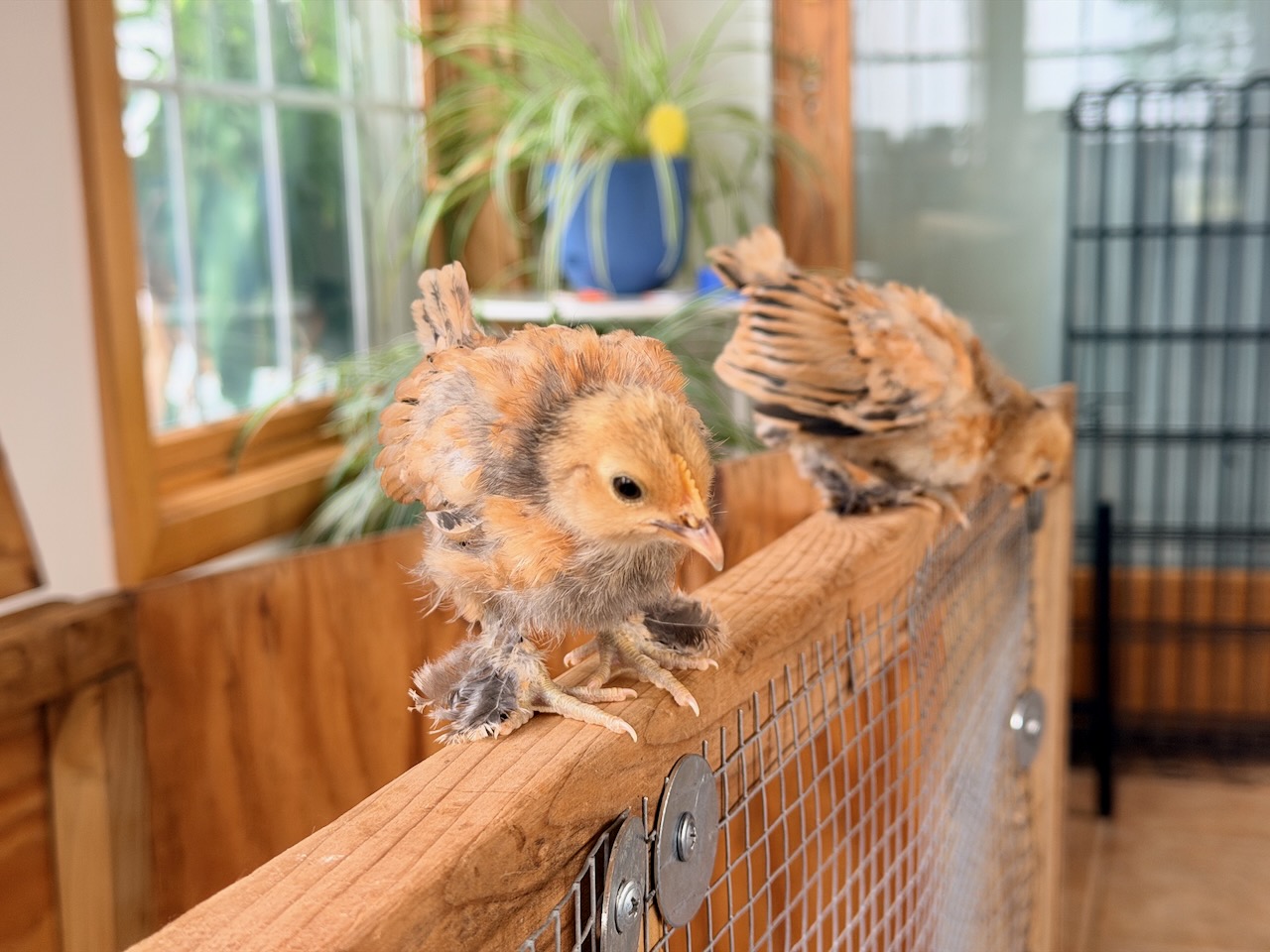
First: What Is the Best Material for a Chicken Roost?
For my own coop, I'm sticking with wood. Perch material affects how well chickens can grip the surface. Reviews of perch research have identified slipperiness and grip problems with materials such as plastic and metal. There's also research in which hens were offered different materials and chose wooden perches more than steel or plastic ones. That doesn't mean every piece of plastic is automatically a terrible chicken roost. Surface texture matters too.
But for a backyard coop, wood gives me a surface that is sturdy without being slick, relatively easy to work with and easy to round and customize. The tradeoff is that wood needs to be maintained. I want my roosts splinter-free, without cracks, and without protruding hardware or rough damaged areas.
So for me: Wood wins.
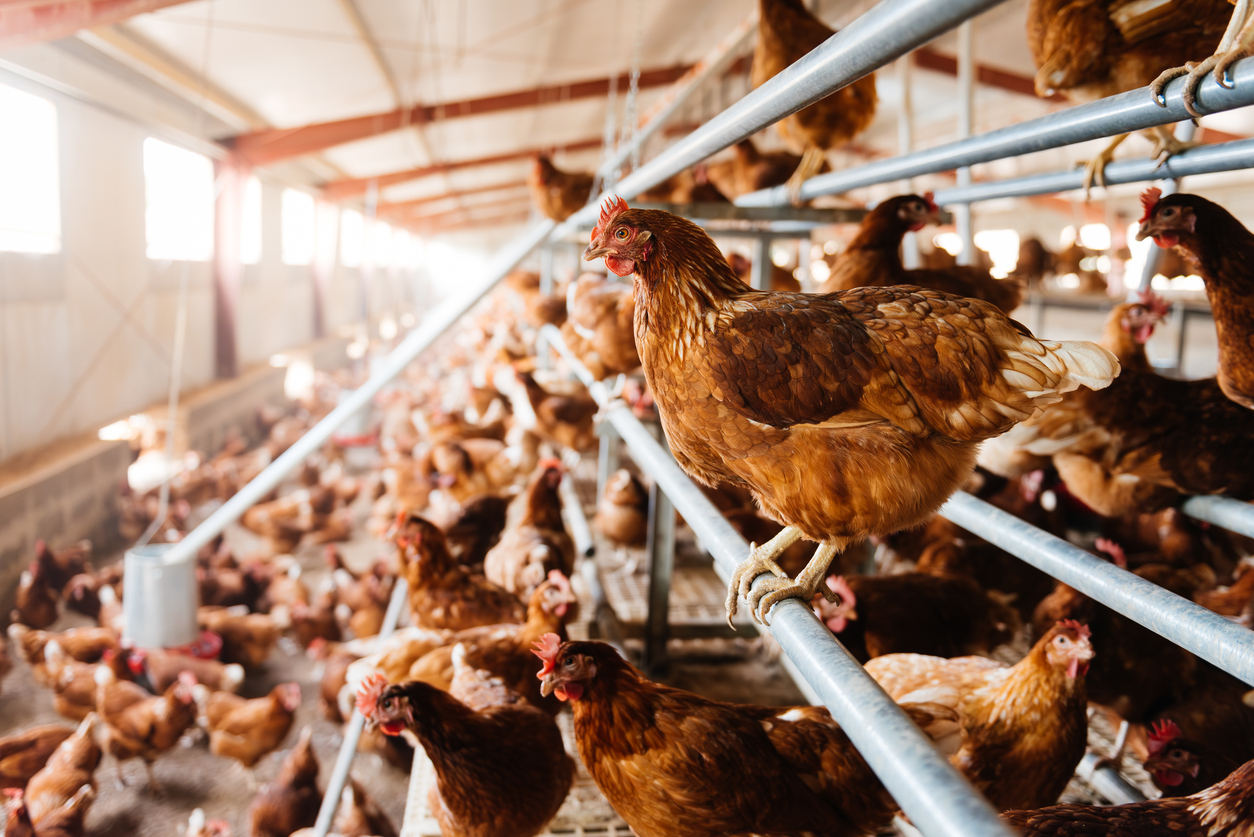
What About the Shape?
This is where I got my first big surprise. Perfectly round isn't necessarily best. I always assumed that if we were trying to mimic what chickens would naturally roost on, a perfectly round branch-shaped perch would be ideal. Turns out it's not that simple.
Research reviews have found circular perches can have disadvantages when it comes to grip and slipperiness, and some research has found hens choosing rectangular perches over round ones. Then I found a study that actually measured the pressure underneath chickens' feet while they stood and sat on different perch designs. Researchers tested round, square and oval perches using pressure-sensitive technology.
And this is where things got really interesting. Square isn't perfect either. Square perches provided a larger area of contact between the perch and the foot. That sounds good, and in some ways it is. Spreading weight across a larger area can help avoid concentrating all of the load in one tiny spot.
But the square perches also produced higher peak footpad pressure than oval perches when hens were standing. That's important because when we're thinking about bumblefoot and pressure injuries, we don't just care about how much of the foot touches the roost. We also care about whether there are areas experiencing concentrated pressure.
So now I had:
Round: potential grip/stability disadvantages and less foot contact.
Square: good stability and contact area, but potentially higher localized footpad pressure.
And then there was oval.
Why I'm Choosing a Rounded, Flattened Profile
In the pressure study, oval perches produced lower peak footpad pressure than square perches in standing hens. That doesn't mean science has proven that an oval perch prevents bumblefoot. It hasn't. But when I combine the research on grip, stability, contact area and localized pressure, a flattened, rounded profile makes the most sense to me. Basically, I want some width and stability underneath the foot without hard square edges.
So How Wide Should a Chicken Roost Be?
Welcome to the most frustrating part of my research. I wanted a number. Just tell me how many inches wide to make the thing! Unfortunately, the research doesn't give us one. And this is where the studies get particularly interesting because they don't all point in the same direction.
Some Bumblefoot Research Favored Narrower Perch Designs
One older study looked at actual bumblefoot outcomes among hens housed with different perch designs. The narrower designs, around 1.4 to 1.5 inches, had better bumblefoot scores than two broader designs around 1.9 and 2.1 inches. Researchers suggested the broader designs may have affected the hens' ability to get a good anatomical grip, potentially affecting pressure on the foot while resting.
At first glance, that sounds like our answer: Narrower is better! Except there's a problem. Width wasn't the only thing that changed. The perches also differed in shape and material. That means we can't look at those results and say the width itself caused the difference in bumblefoot. And then I found another study that complicated things even further.
Wider Perches Can Also Distribute Pressure Better
In the pressure-sensor study I mentioned earlier, researchers tested widths of approximately: 1.3 inches, 1.7 inches and 2.4 inches. When hens were standing, width did not significantly affect peak footpad pressure. But when they were sitting, the widest perch tested, about 2.4 inches, produced the lowest peak footpad pressure.
The wider perch also increased the amount of the foot supported by the perch. So now we have research associating some broader perch designs with worse bumblefoot outcomes and different research showing that a wider perch can actually distribute the load across the foot better. See why I ended up in a chicken-roost research vortex?
And Then I Looked at What Chickens Actually Prefer
Another study gave laying hens seven different perch widths, ranging from about 0.6 inches to just over 4 inches. The narrowest perch was used the least in some daytime comparisons, and the researchers specifically did not recommend the 0.6-inch width. But here's the fascinating part: At night, the hens showed no significant preference among the different perch widths. The researchers concluded that results for the wider widths were equivocal, although they tended to support the commonly used width of about 1.8 inches.
So again… There is no magic number.
And What Does This Mean for My 2x4s?
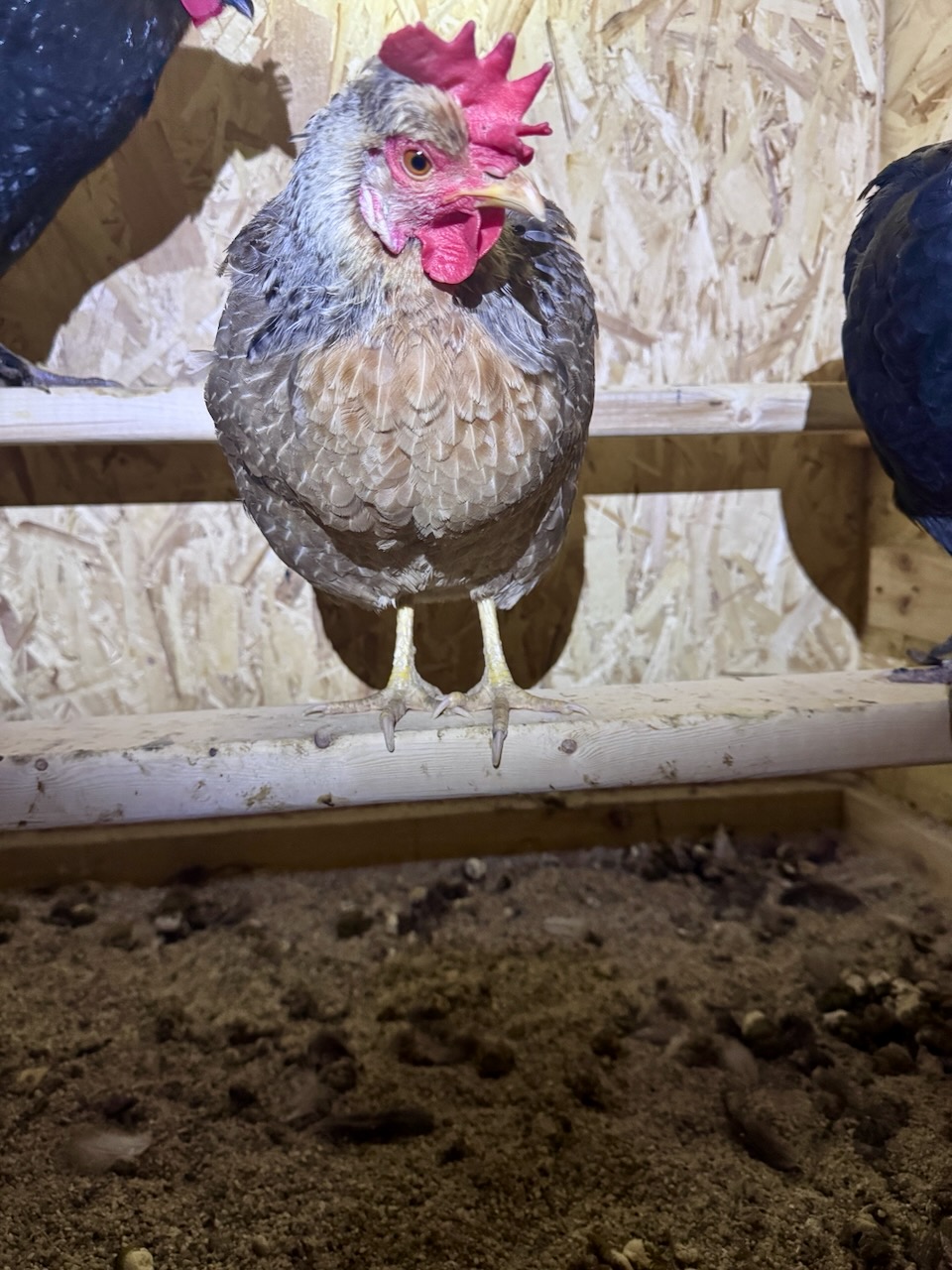
This may be the most important part of this entire post. I cannot say that my flat 2x4 roosts caused my chickens' bumblefoot. And I also can't say that a 3.5-inch-wide roost is inherently bad simply because it's wide. In fact, the width-preference study included a perch approximately 3.5 inches wide, and the research did not establish that width as harmful. Could my roost design be contributing to what's happening with my flock? Possibly.
Veterinary literature tells us poor perch design and chronic pressure can contribute to bumblefoot, and the timing in my flock was enough to make me take a hard look at mine. But that's very different from proving: Flat 2x4 = bumblefoot. I don't have evidence to make that claim. And I don't want to replace one oversimplified piece of chicken advice with another.
So What Am I Using for My Chicken Roosts Now?
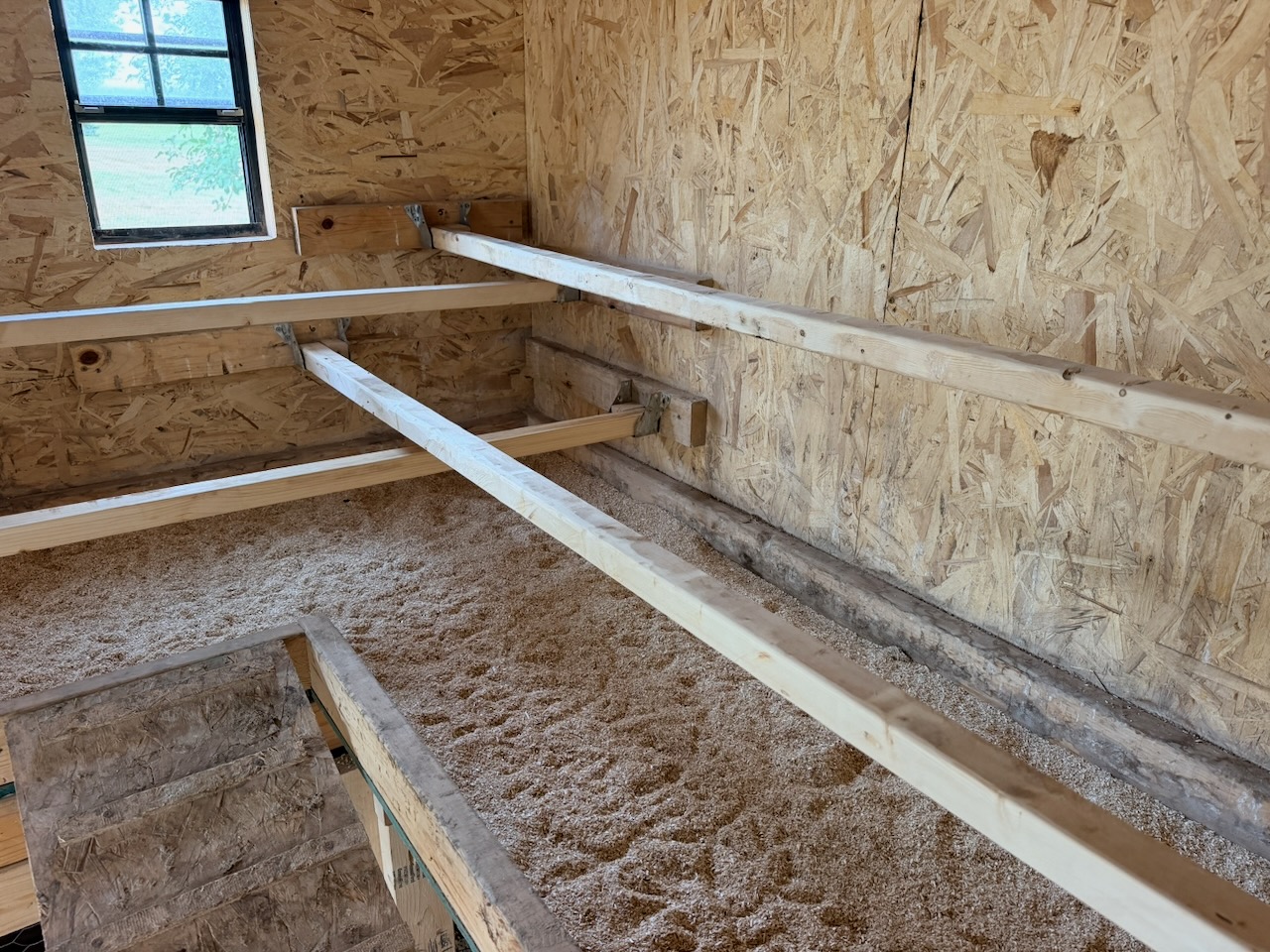
After reading all of this research, here's where I've landed for my own flock: Wood + a moderate width + a flattened, rounded profile.
I'm choosing wood because of its grip and practicality. I'm rounding the profile because I want a broad, stable surface without hard square edges and because oval/rounded designs performed well in pressure research. And I'm deliberately not giving you an exact ideal width, because I don't think the research supports one.
I'm also paying attention to the things that can turn an otherwise perfectly reasonable roost into a foot problem: splinters, rough surfaces, protruding screws, damage, manure buildup and anything else that could create repeated irritation or pressure. Most importantly, I'm going to keep checking my chickens' feet. Because this isn't the end of my little experiment. It's the beginning.
I have photos of their feet now. I know which birds have bumblefoot and which are showing early footpad changes. With the new roosts installed, I can continue monitoring them over the coming months. If the number of new foot problems decreases, that's useful information. It still won't prove that the old 2x4s caused the problem, because this isn't a controlled scientific study. But it will tell me whether the changes I'm making appear to be helping my flock.
And after this entire research rabbit hole, that's probably my biggest lesson: Good chicken keeping isn't always about finding one rule and following it forever. Sometimes it's about noticing when something isn't working, questioning what you thought you knew, looking at the evidence, and being willing to change.
My chickens' feet sent me down this rabbit hole. Now we'll see where they lead me next.
Research & Sources
Management and Medicine of Backyard Poultry
Veterinary overview including bumblefoot, pressure necrosis and poor perch design:
https://pmc.ncbi.nlm.nih.gov/articles/PMC7152007/
Pickel, T., Schrader, L. & Scholz, B. (2011). Pressure Load on Keel Bone and Foot Pads in Perching Laying Hens in Relation to Perch Design. Poultry Science, 90(4), 715–724.
https://pubmed.ncbi.nlm.nih.gov/21406354/
Struelens, E. et al. (2009). Perch Width Preferences of Laying Hens. British Poultry Science, 50(4), 418–423.
https://pubmed.ncbi.nlm.nih.gov/19735010/
Struelens, E. & Tuyttens, F.A.M. Effects of Perch Design on Behaviour and Health of Laying Hens. Animal Welfare.
https://www.cambridge.org/core/journals/animal-welfare/article/abs/effects-of-perch-design-on-behaviour-and-health-of-laying-hens/2280D03617026C60FF4A59EF649F198F
Chen, D. et al. (2014). Choice of Perch Characteristics by Laying Hens in Cages with Different Group Size and Perching Behaviours. Applied Animal Behaviour Science, 150, 37–43.
https://www.sciencedirect.com/science/article/pii/S0168159113002414
Tauson, R. & Abrahamsson, P. (1994). Foot and Skeletal Disorders in Laying Hens: Effects of Perch Design, Hybrid, Housing System and Stocking Density.
https://www.tandfonline.com/doi/abs/10.1080/09064709409410189
One thought on “What Is the Best Roosting Bar for Chickens? What the Research Actually Says”